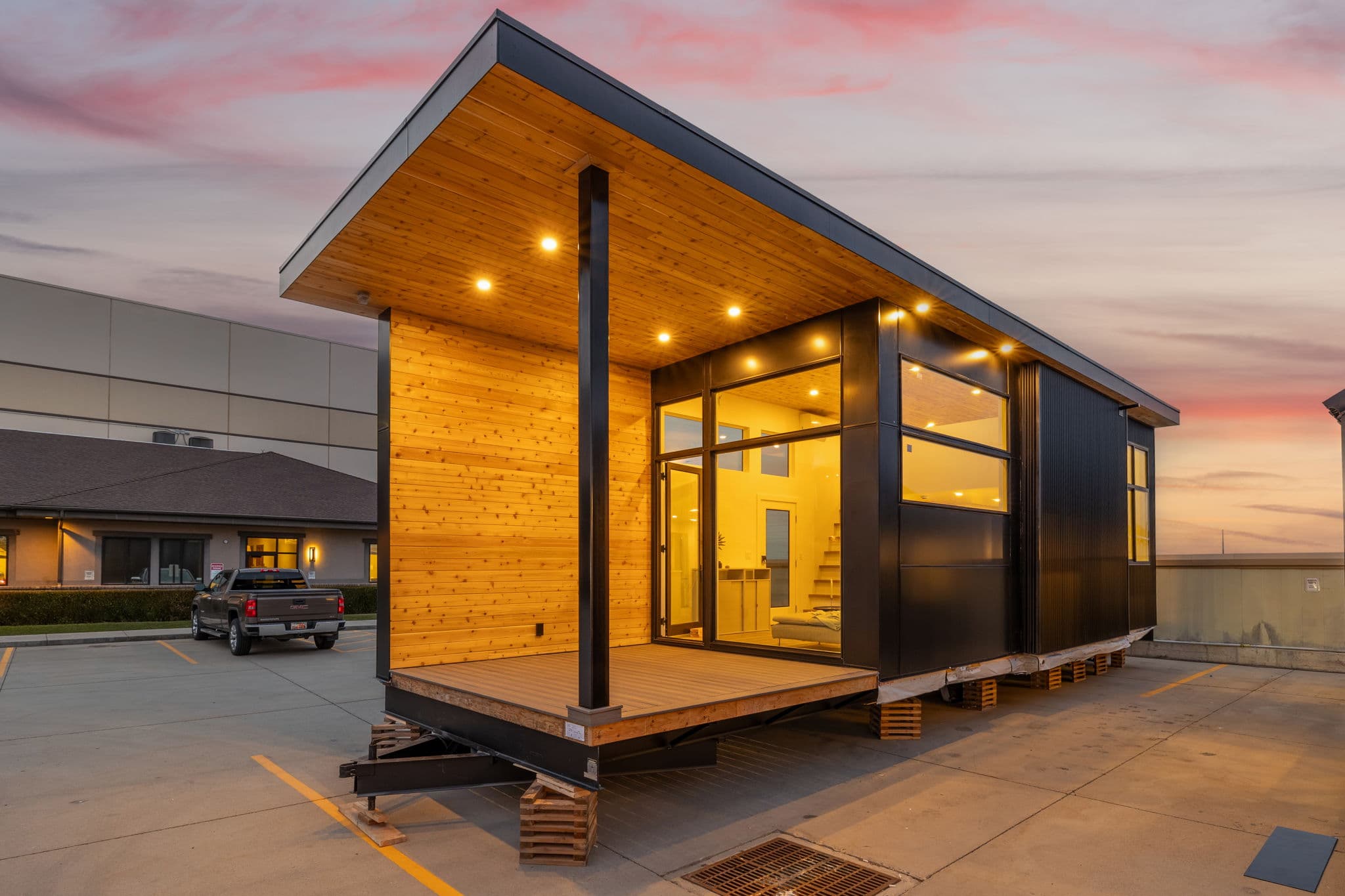
Four terms, four very different sets of rules. Here's how to tell them apart — and which one your project actually needs.
“Tiny home” gets used as a catch-all, but the category hides four distinct products — each governed by different codes and each suited to different goals. Getting the term right is the difference between a smooth permit and a stalled project.
Park model homes (RVIA, ~400 sq ft)
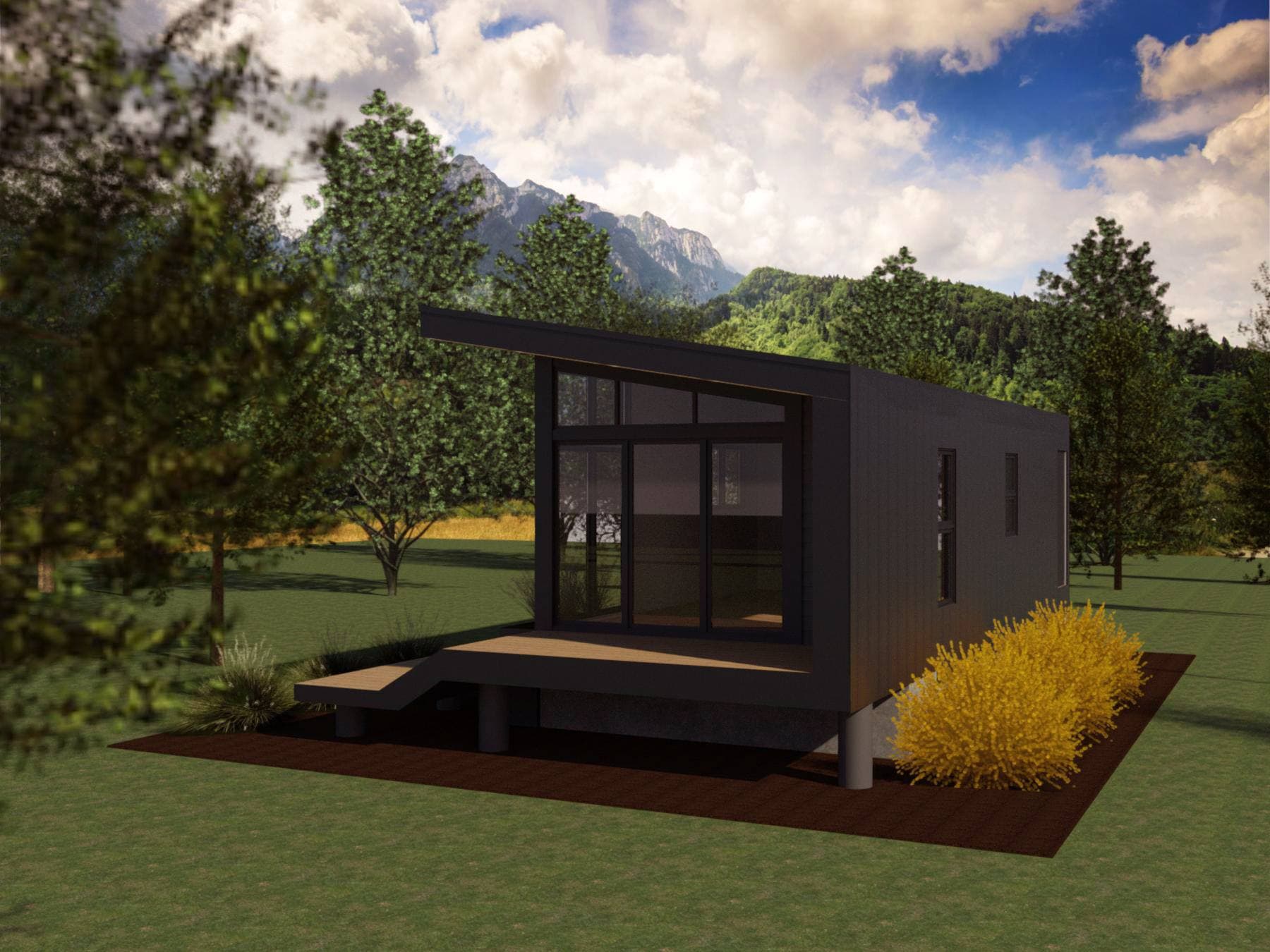
Park models are built to the ANSI A119.5 recreational standard and typically cap around 400 square feet of living space. They live like a real small home — full kitchen, full bath — and are popular for campgrounds, recreational land, resorts and, in qualifying municipalities, as ADUs. Our Mysa, Skyview and Cabana are park models built to genuine site-built quality.
Tiny homes (on wheels or on foundation)
“Tiny home” usually means a compact dwelling under ~400 sq ft. Tiny homes on wheels are regulated more like RVs; tiny homes on foundations may be held to residential building code. Full-time-living rules vary widely by jurisdiction — which is exactly why a property analysis should come first.
Modular homes (built to residential code)
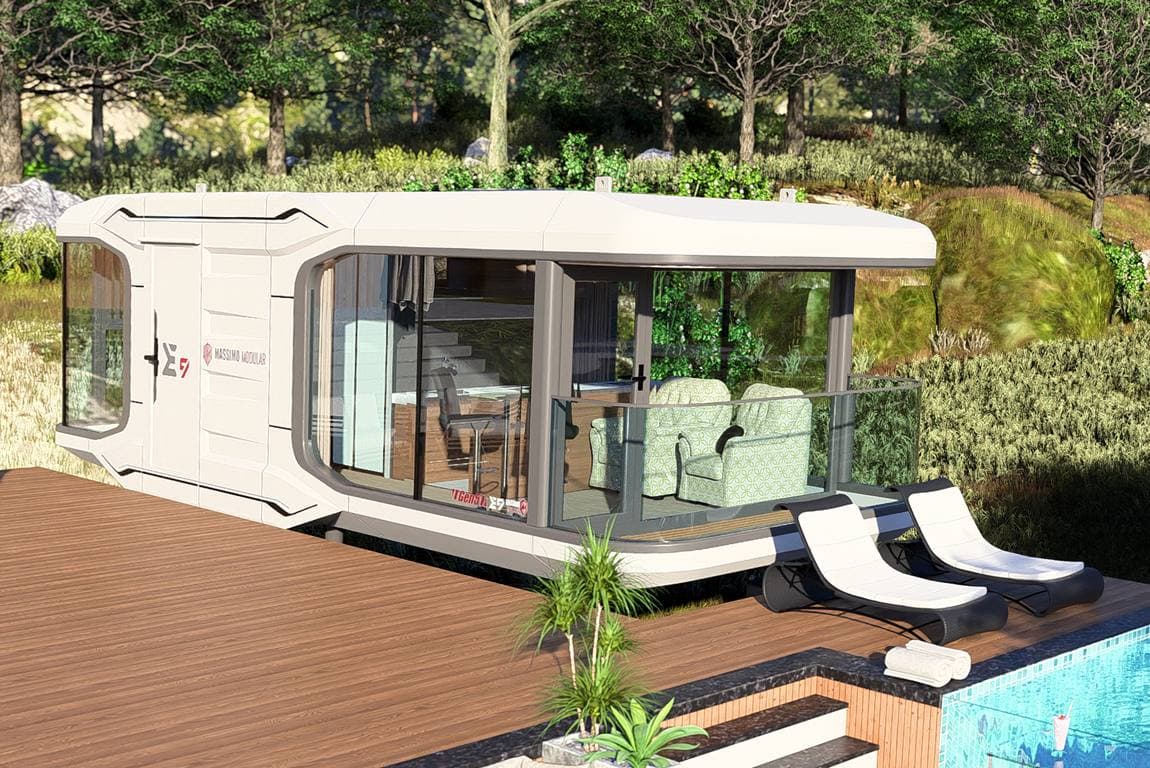
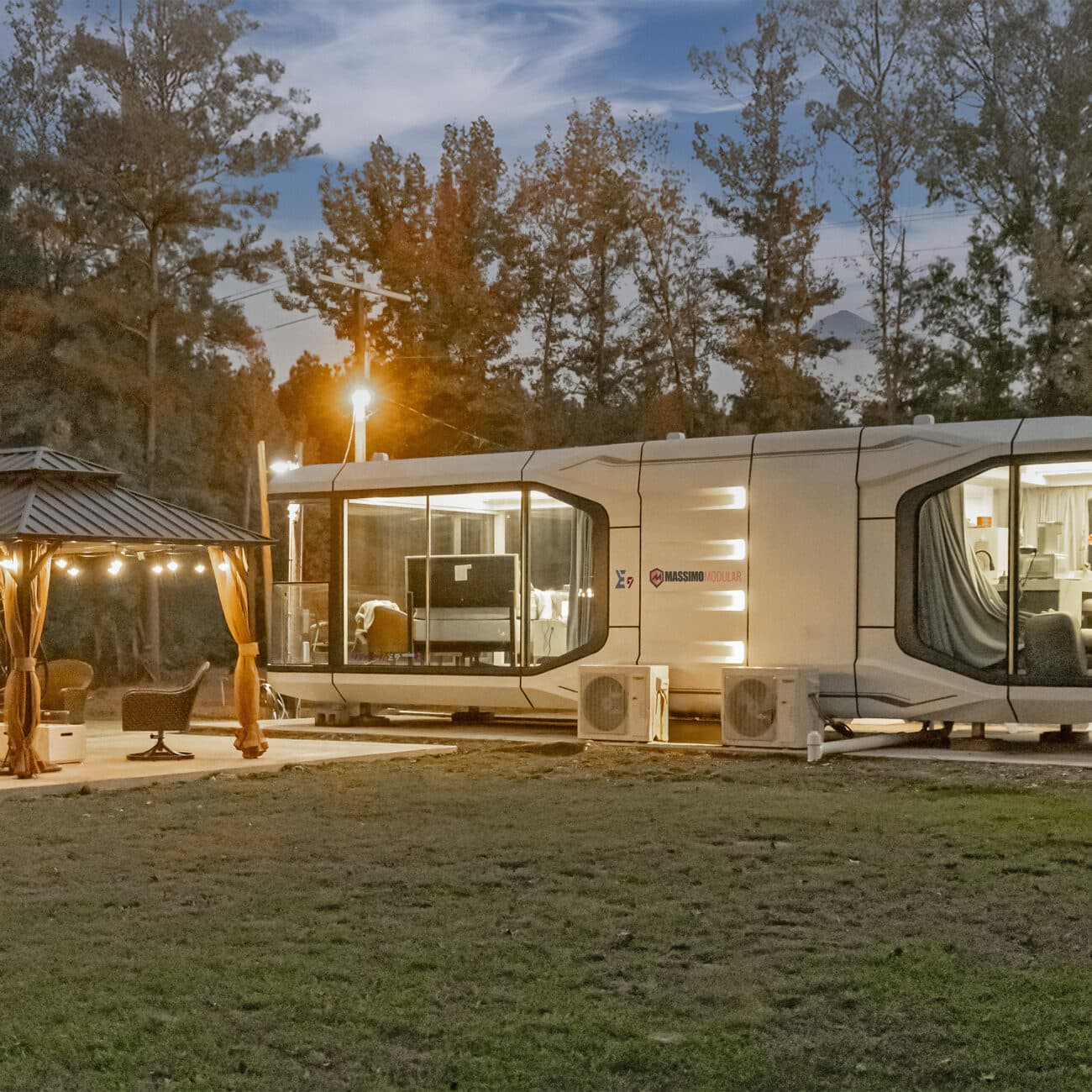
Modular homes are factory-built to the same residential building codes as a site-built house, then installed on a permanent foundation. They're not a lesser category — they're a faster, often higher-quality way to build to code. Our smart-modular pods (E9, V9 Park, Apple Cabin) bring engineered envelopes and smart systems to this class.
ADU — a use, not a construction type
An Accessory Dwelling Unit is a legal classification — a secondary dwelling on a lot with a primary home — not a building method. A park model, a tiny home or a modular unit can each serve as an ADU if local zoning allows. Whether yours qualifies depends on your jurisdiction's lot-size, setback and occupancy rules.
Where to next
Last updated May 15, 2026