Rent disappears. A home doesn't. Here's how the numbers actually compare over five years.
The case against renting is simple: every payment leaves and never comes back. The case for a tiny home is that the money goes toward something you keep. But the comparison is more nuanced than a meme — let's run it honestly.
Where rent goes
Five years of rent at a typical rate is a six-figure number that builds zero equity and ends with you owning nothing. Rent also tends to rise; your housing cost is never under your control.
Where a tiny home goes
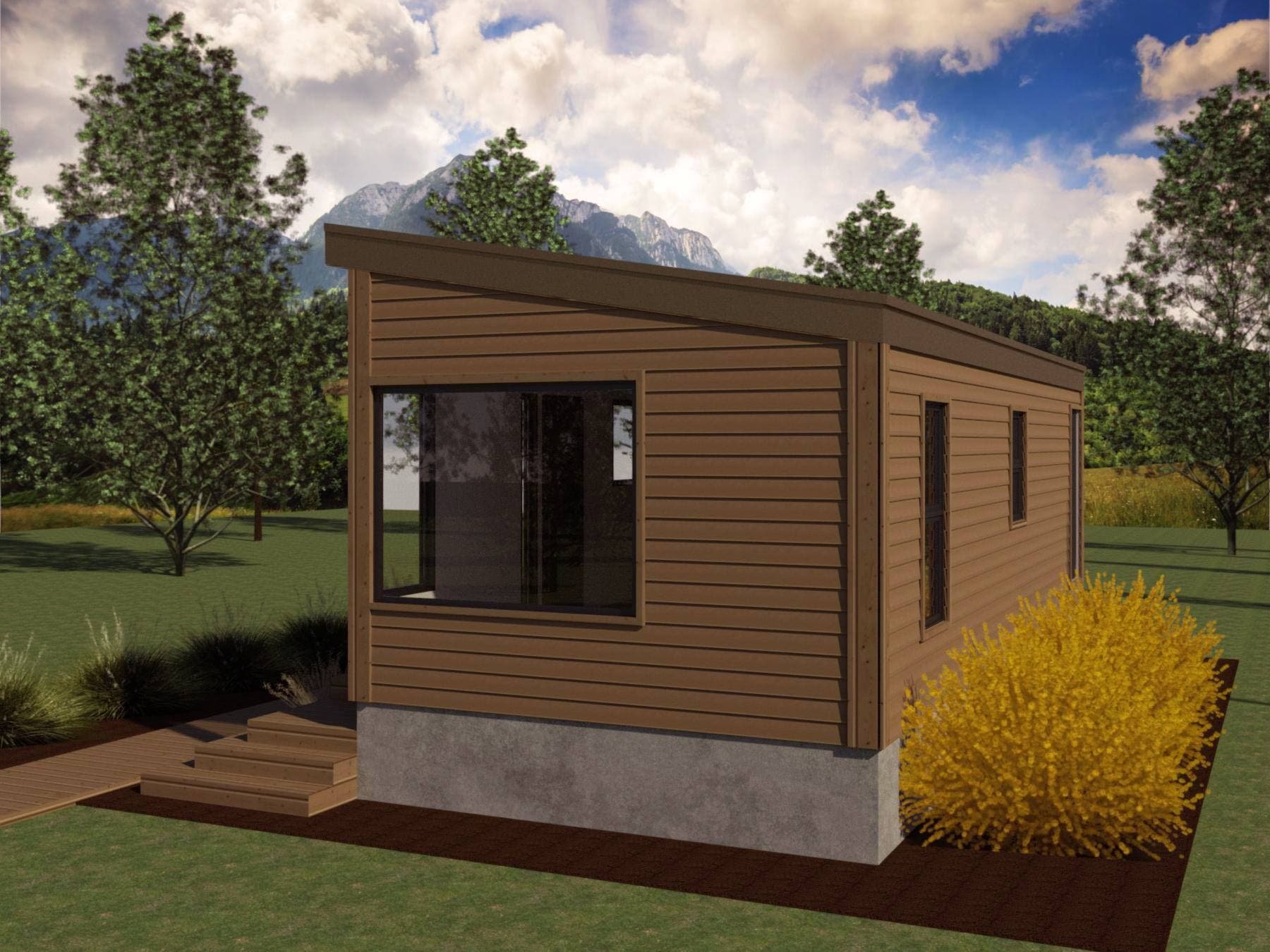
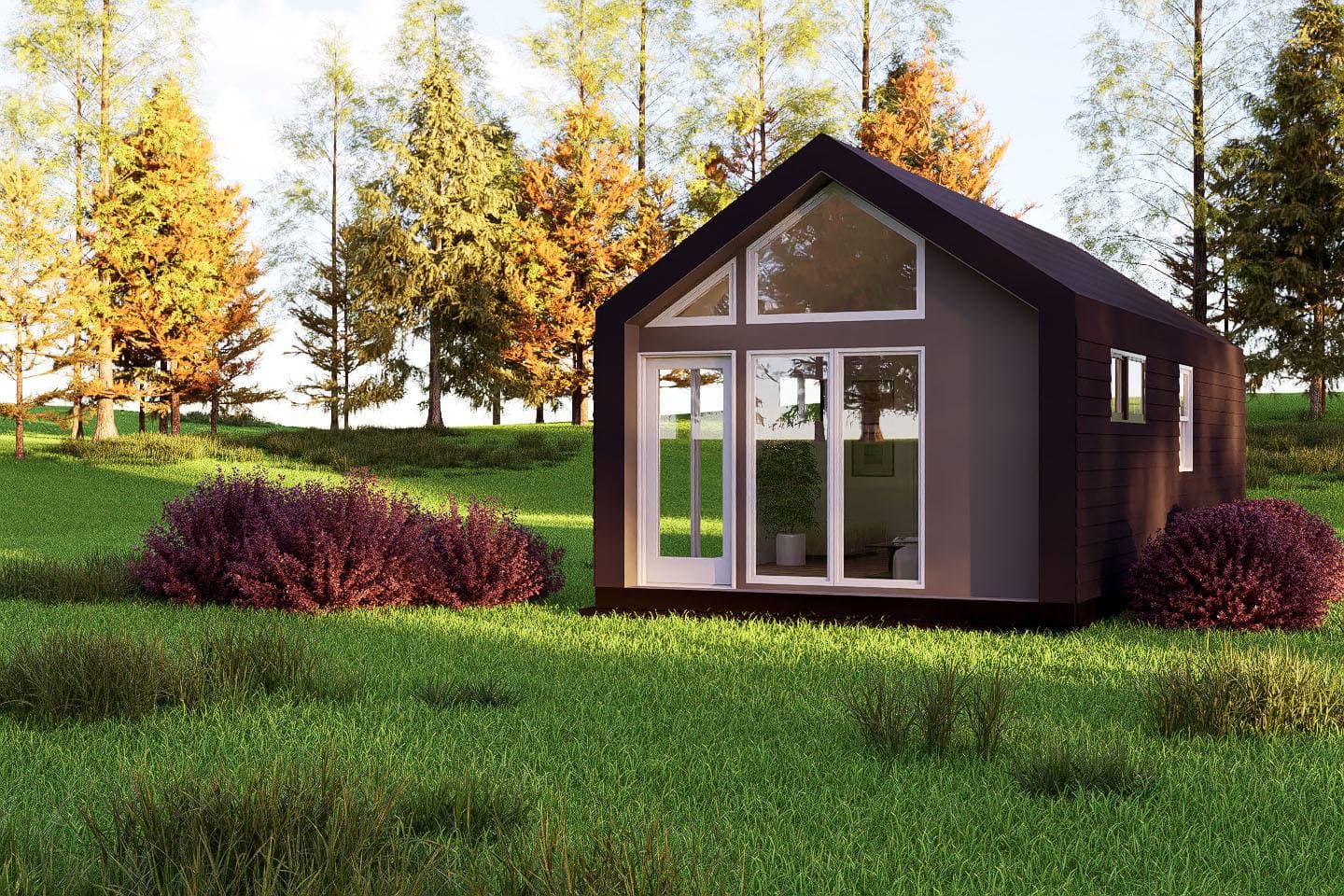
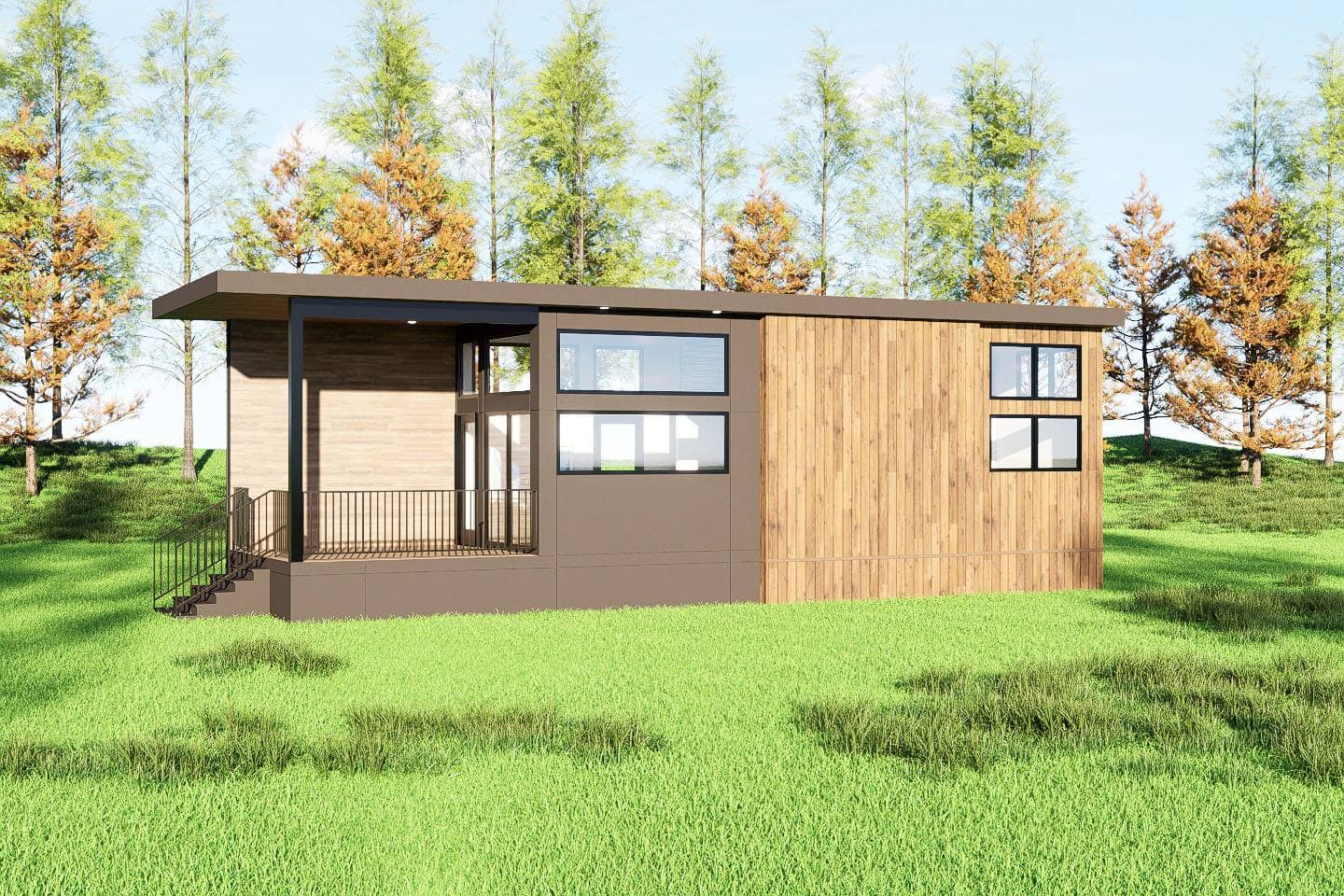
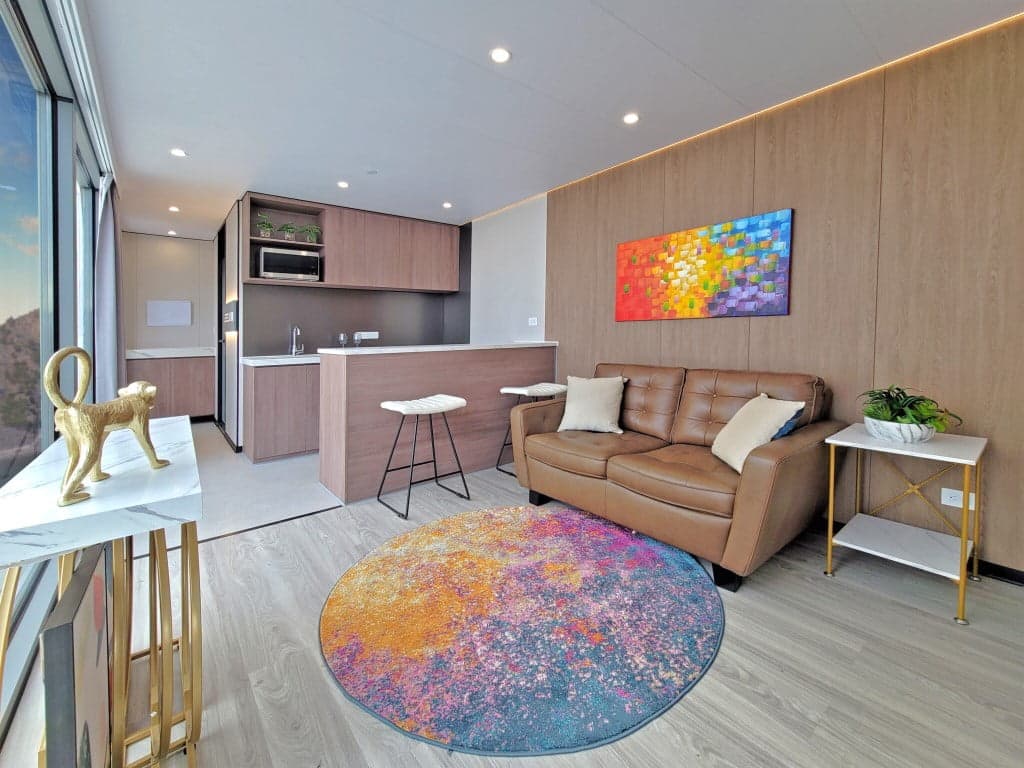
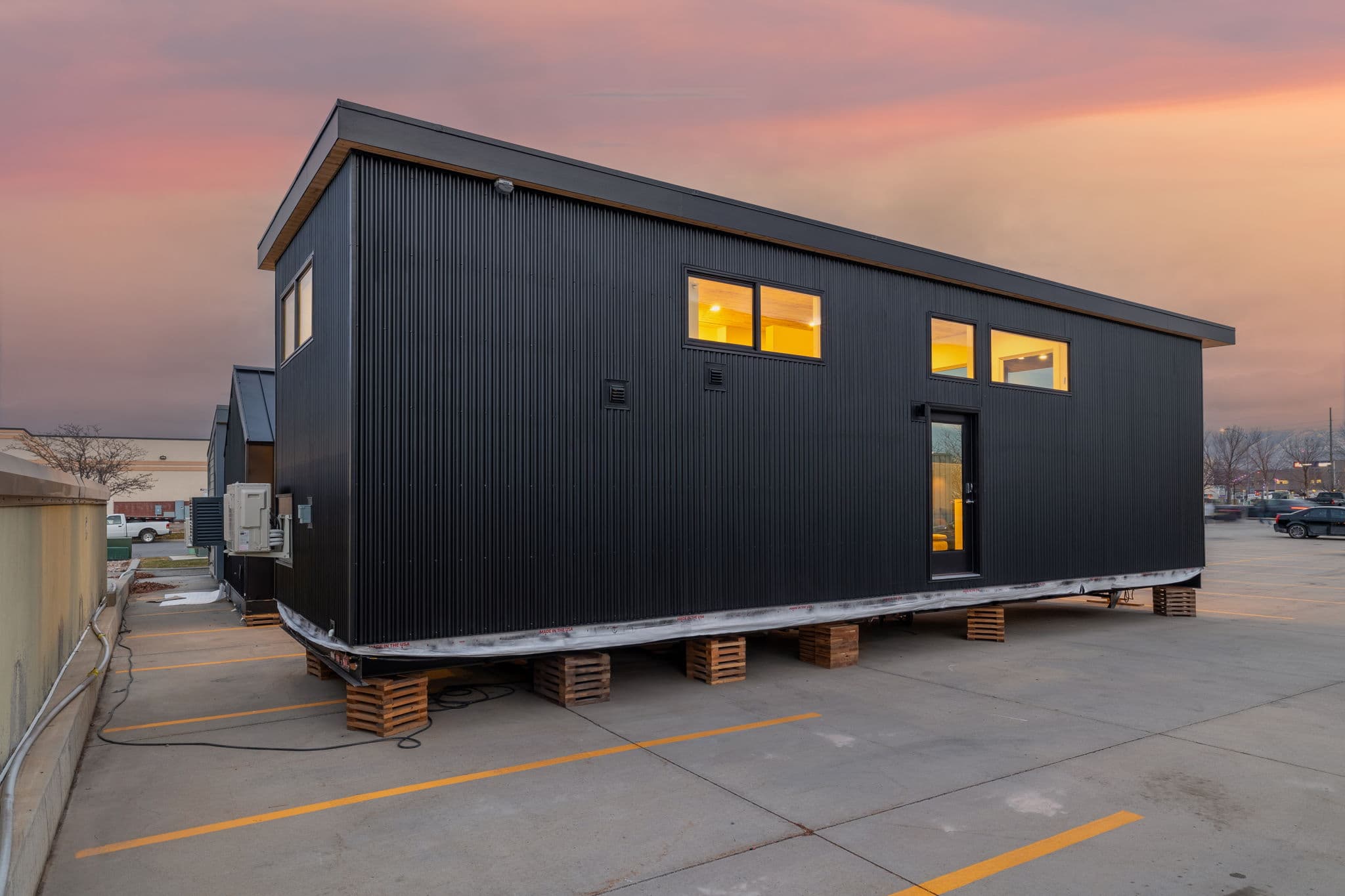
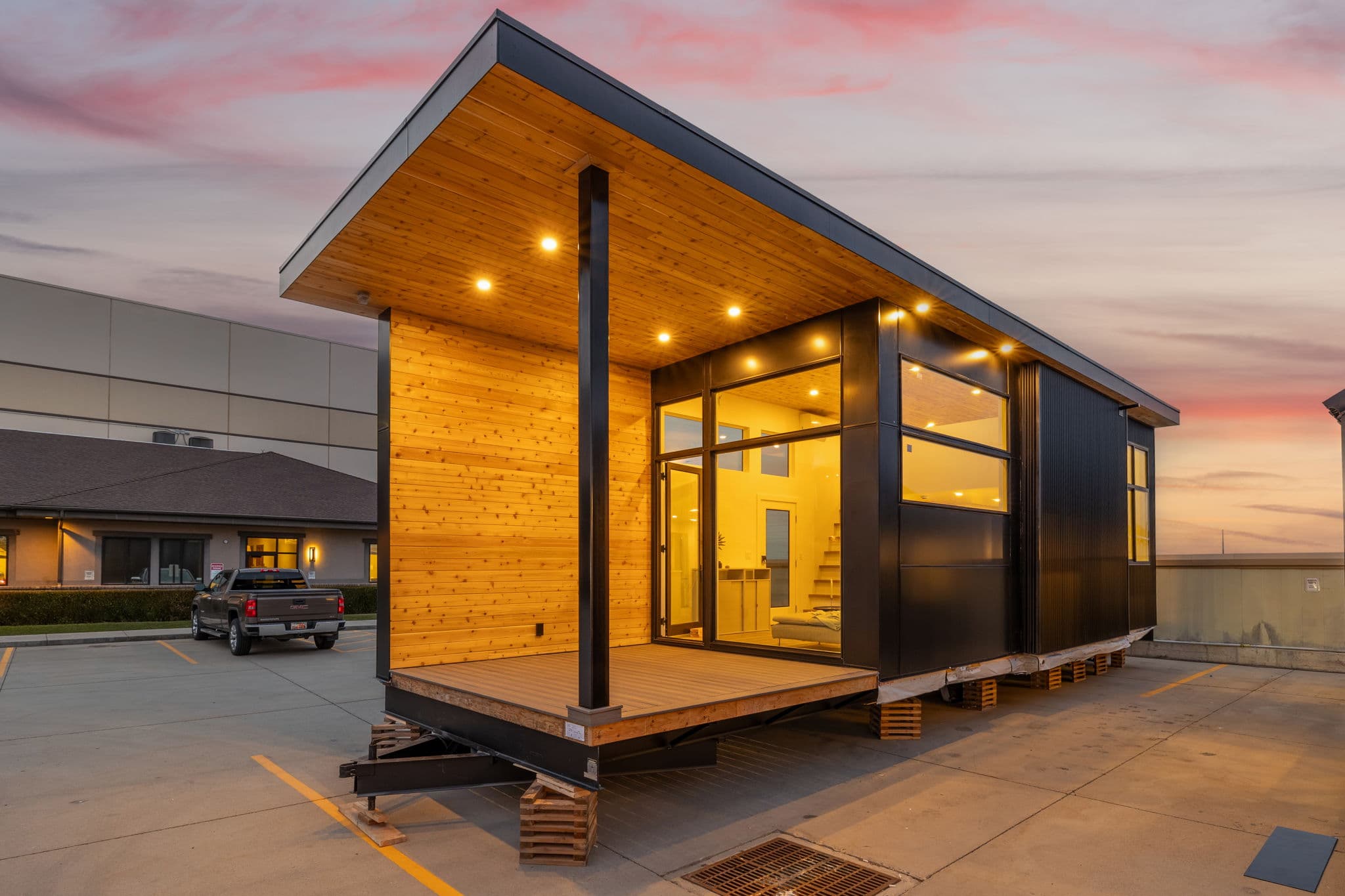
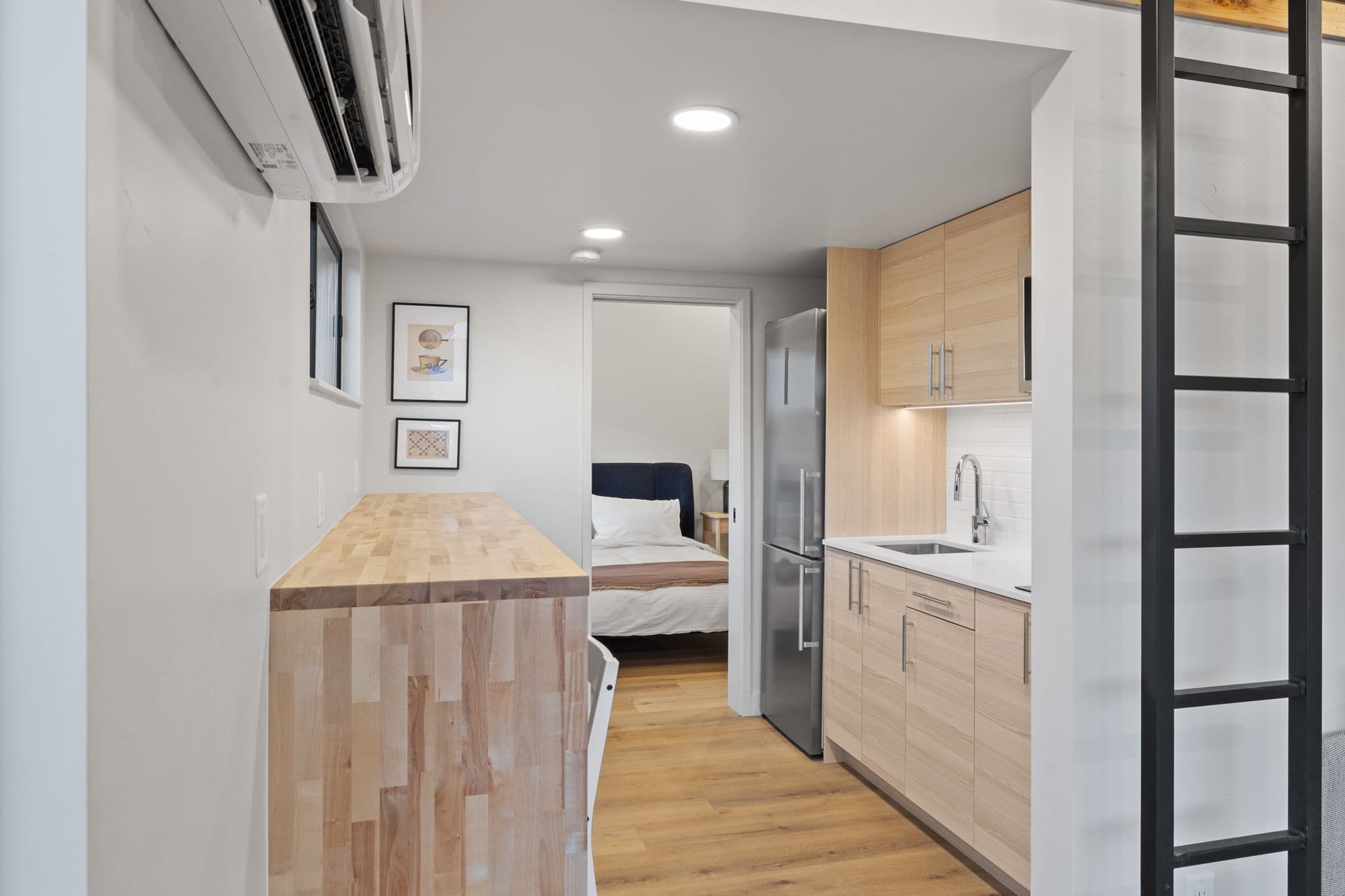
A tiny or modular home is an asset. Placed on land you own or have access to, it can hold value, generate rental income, or become a guest house later. Your monthly cost is largely fixed, and at the end you own the home — not a stack of receipts.
The variable that decides it
Land. The math tilts hard toward owning when you have a place to put the home — family acreage, a lot you buy, or a community lot. Without land, the comparison is closer, which is why our property analysis and the community model both exist.
Last updated May 31, 2026